Spirituality
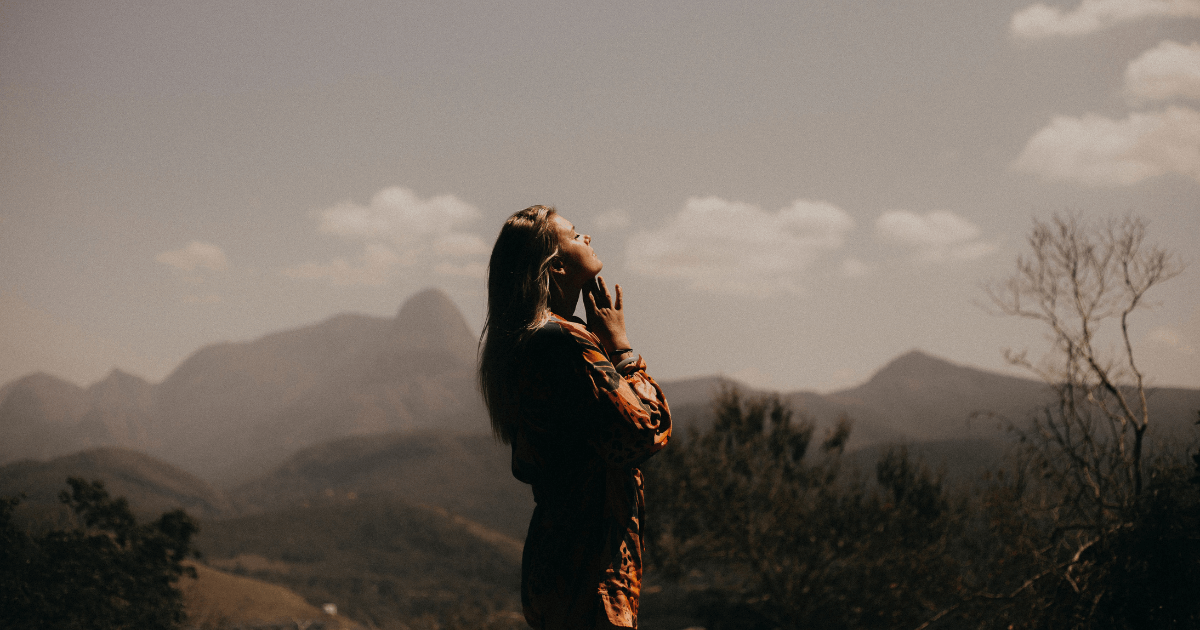


Your spirituality may be the reason for the unexplained voices you hear.
Spirituality is the search for, or connection to, something greater than yourself. In this sense, it is similar to the word "religion," although there are many different types of spirituality.
For example, some people pursue spirituality to connect with nature. Others seek a deeper meaning within themselves and potential ways to connect to higher realms through voices and visions.
But for you, spirituality should be about finding peace and balance. It is about understanding how we fit into the world around us.
Spirituality vs. Religion
Take note that spirituality and religion are not the same. Religion is often defined as a set of beliefs, practices, rituals, and traditions associated with a particular faith or religious group.
This definition includes organized religions such as Christianity, Islam, Judaism, Buddhism, Hinduism, and New Age spirituality. People who practice religion do so based on their faith. They follow the rules and regulations and try to live up to that standard.
In fact, most religions teach that humans must strive to become better people and that doing good deeds will help one achieve salvation.
A person who does not believe in God but nonetheless pursues a spiritual path might call himself or herself an atheist, agnostic, or freethinker.
Many atheists are skeptical of organized religion, but most people who identify as skeptics do not necessarily reject spirituality entirely. Those who pursue a spiritual path without believing in God are called mystics or seekers.
Signs of spirituality
Spiritual experiences can come in many different forms. For example, you might experience spiritual fulfillment when you feel connected to other people and nature.
Others may find themselves searching for deeper meaning in life. Still, others may seek chances to assist others. Whatever form it takes, your spirituality can bring you closer to ourselves and our world.
Spiritual voice
You might hear a voice that seems to come from outside of yourself. This is called a "spiritual voice."
People who hear spiritual voices feel better emotionally; some say it helps them cope with life events such as illness or death.
You can find peace of mind and link the voices to the spiritual realm. For example, a loved one who has passed away may still be spiritually in your life.
But many people who hear voices do not know what causes them. If you feel this way, don't be alarmed. You are not alone.
About one-third of those who can hear voices report that no one else knows this. Researchers also found that people who reported hearing voices were less likely to believe in God than those who did not hear voices.
However, those who believed in God were likely to say that they felt spiritually supported by God and could talk about their experiences with God.
Power distance as humans
Power distance belief refers to the perceived degree to which people believe social status differences exist among groups or societies.
If you are a person with low power distance beliefs, you view others as equal and interchangeable. Therefore, you are likely to communicate freely with another and engage in cooperative behaviors.
Conversely, if you are someone with high power distance beliefs, you see yourself as superior to others. You may be reluctant to express your views openly. As a result, you prefer to keep your thoughts private and avoid interacting with those outside your circle.
High power distance belief negatively correlates with individuals' willingness to share ideas with superiors. When people feel inferior, they are unlikely to discuss what they're going through with others.
Research suggests that high power distance belief leads to inefficient communication. It discourages those from sharing their ideas with their bosses. If you want to connect better with your spirituality, try lessening your power distance belief.